
Beyond Boundaries: Learning with Purpose
This week brought with it an abbreviated version of Beyond Boundaries, our annual break between semesters. Grade level experiences provided the opportunity for students and faculty to share learning opportunities centered around two key elements of our identity as a school: (1) service to others; and (2) college preparation. While certain aspects of the experience were necessarily shifted due to the missed time, the goals were preserved.
Below are just a few highlights and takeaways:
Kids can solve big problems.
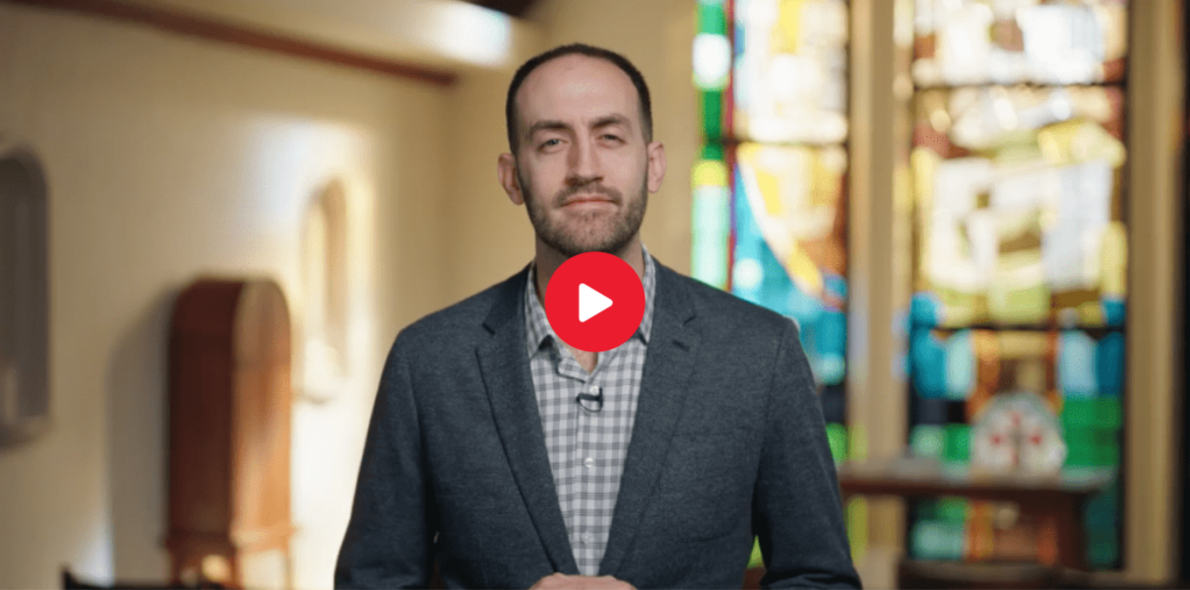
Students in Grades 7-10 began Beyond Boundaries with a call to action via Michael Platt’s TEDx talk. A few years back, at the age of 14, he, inspired by 1 Timothy 4, hoped to inspire young people to think bigger about their ability to make change in the world.
Problem-Solving is a process.
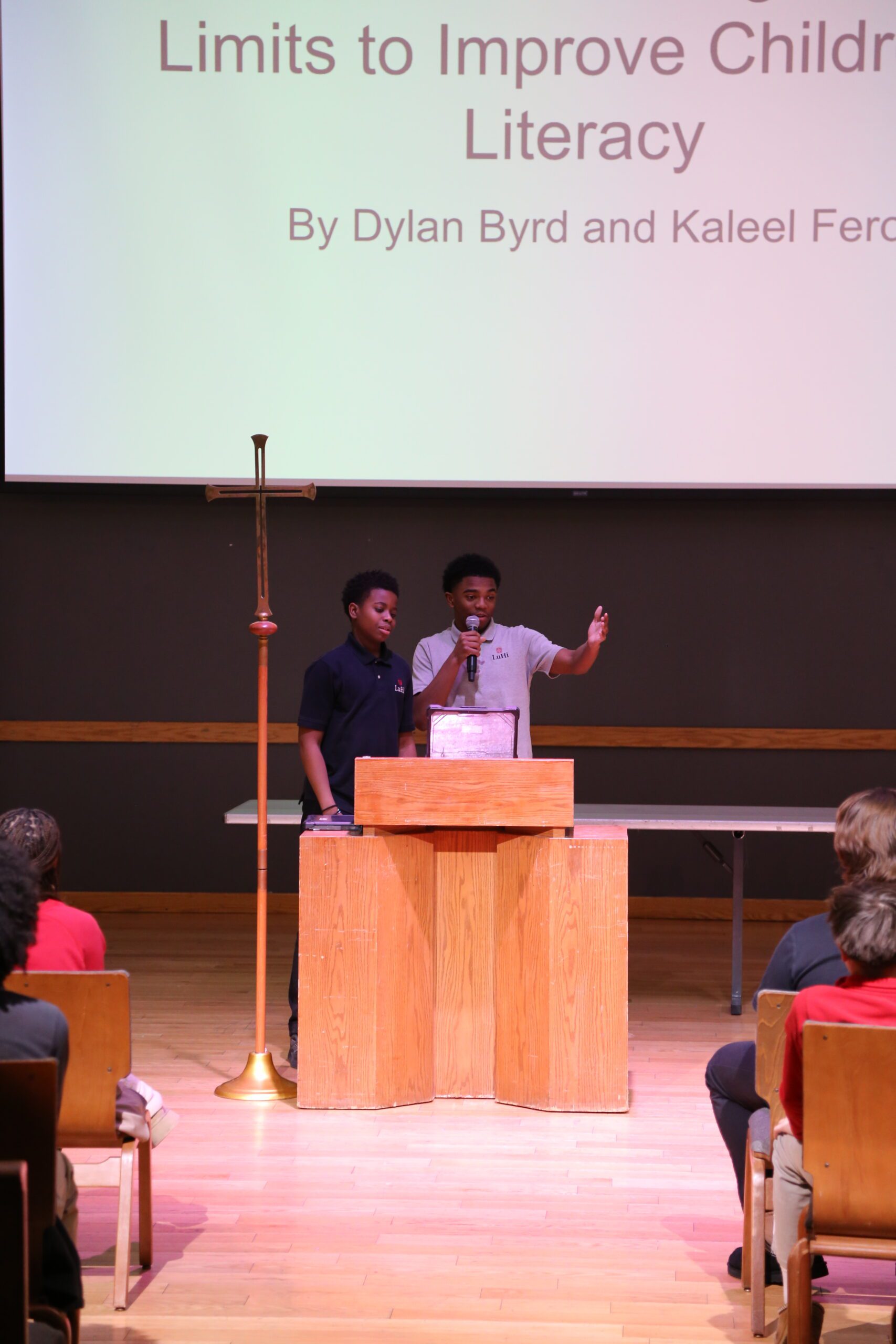
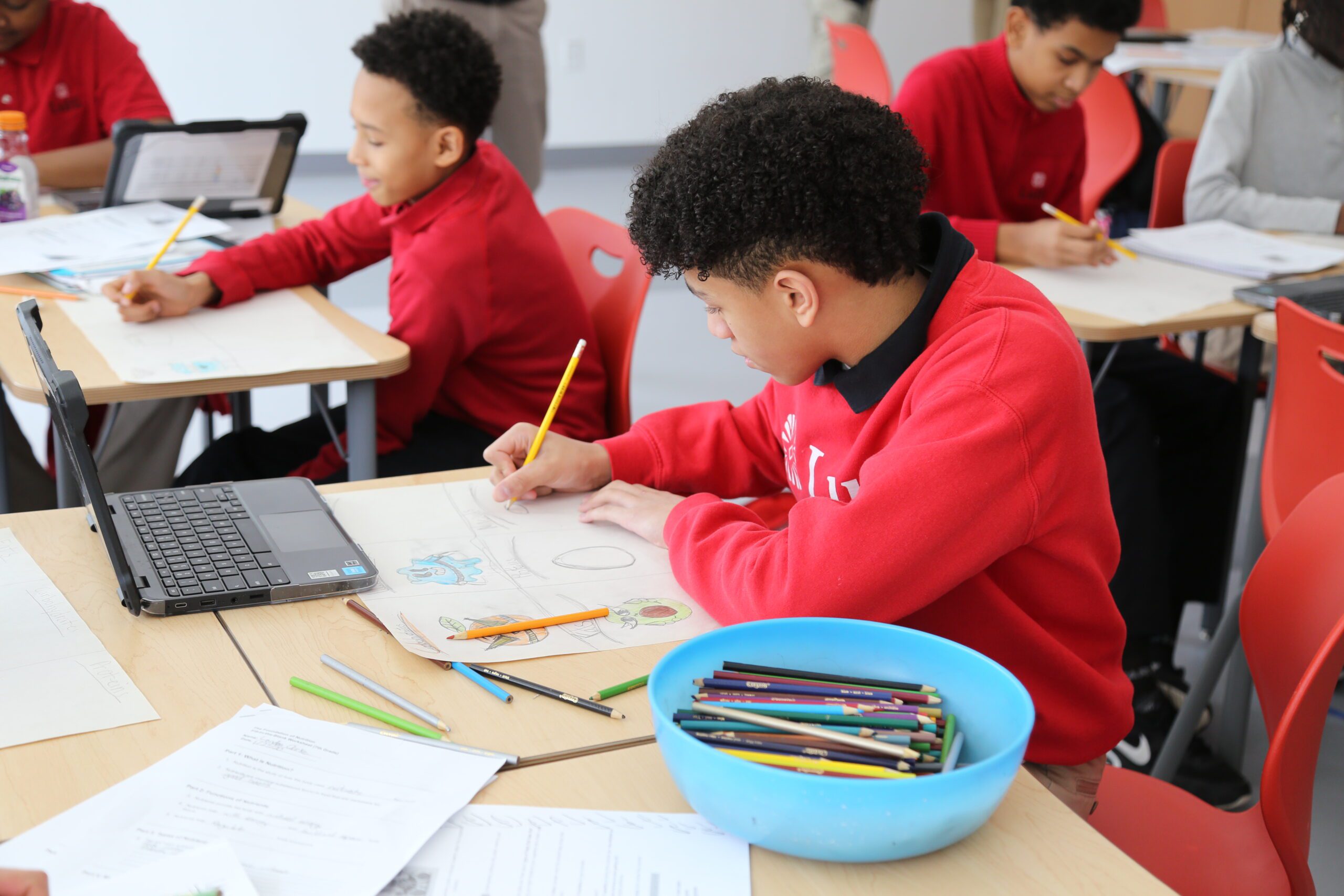
Faced with enormous problems, our students were guided through various activities, hands and minds on, to learn more about the larger problems of nutrition and food insecurity (7th grade), clean water access (8th grade), mental health challenges (9th grade), and access to education and literacy (10th grade). In collaboration with faculty and grade-level peers, they developed questions, researched, considered bias in research and their own preconceptions, and then developed solutions that could contribute to solving each problem.
A little competition is healthy.
When trying to solve problems, it’s helpful to inject just a bit of competitive spirit. In smaller groups called base camps, multiple teams developed unique solution ideas, presented to their peers, and then brought their solution to a larger group Solution Showdown. 11 solutions were presented and one was a winner: a group of 9th grade students educated their peers about and proposed a variety of school-based solutions that are hold promise for teens struggling with body dysmorphia. Beyond the winner, other buildable solutions are under consideration for implementation!
God calls us to this.
When we think about our core values as a school, and our vision of developing compassionate, educated leaders for the future, this kind of problem-solving simply makes sense. What do compassionate, educated leaders do? They solve problems. They think of others. They don’t make assumptions, but rather seek truth. As students continue through their years at LuHi, our prayer is that these snippets of guided problem solving uncover unique passion and purpose, the kind that makes our world a better place, all while building critical skills.
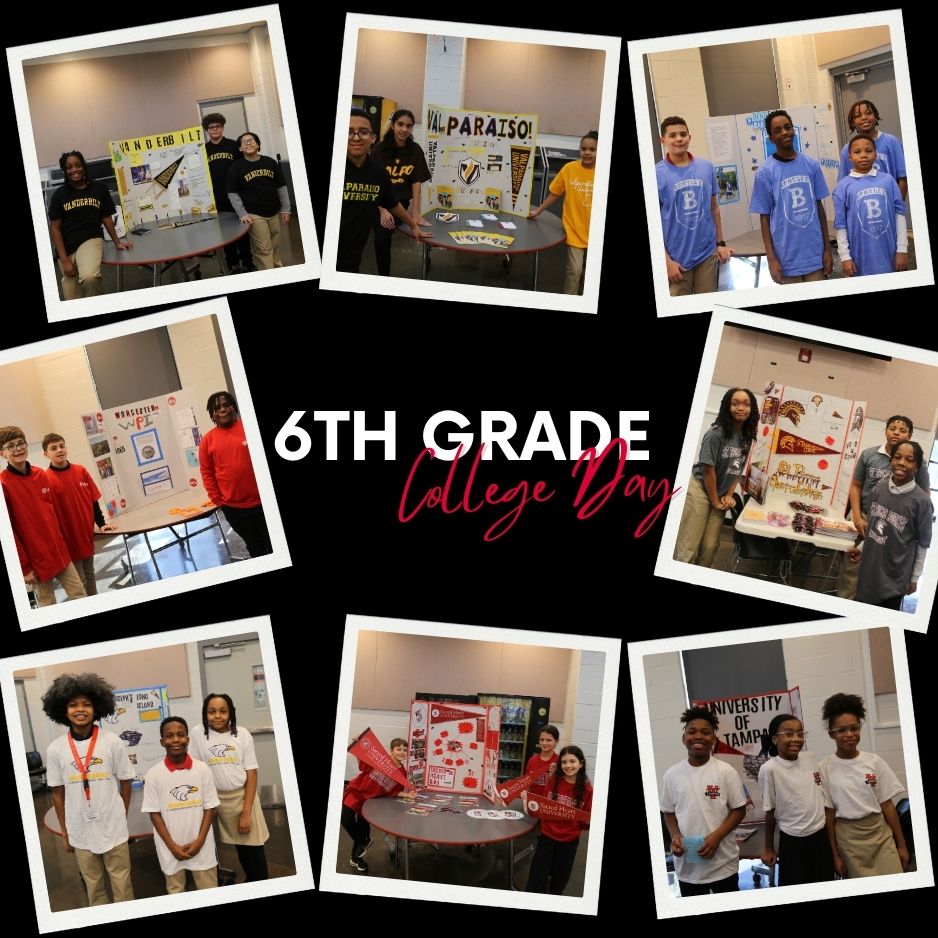
The college process can start young.
6th graders engaged in our annual College Day, a time to learn about a variety of colleges and universities, distill to the salient points, and then develop engaging presentations. Their audience? Our 11th grade class, which, immersed in their own, more personalized college-focused experience, were able to visit the fair and learn from our youngest students.
The college process has shifted over the years, and focused time builds confidence.
Our juniors, halfway through this critical high school year, are at different stages of the college process. Some have had their junior college meeting, others have not. Some have a sense of where they want to go next, what they want to study, while others have a muddier vision of the future. This week, they all had an opportunity to get to know Naviance, an essential tool in the college search, had the chance to learn more about the Common App, and participated in a high-quality college essay workshop, during which they were prompted to build a base of possible topics, reviewed real college essays, and even had the chance to begin to draft their essay. These will be true gifts as they head further into the process, and we’re glad to have had the chance to
Beyond Boundaries is close and far.
While several students spent the week in Barcelona, immersed in an enriching Spanish language learning experience, most of our students stayed closer at home. Some seniors spent time visiting prospective colleges and universities, while others worked on scholarship applications and engaged in important conversations about expectations for their future adulthood and freedom!
Students will rise to our expectations. If we believe that they can solve problems, they will be more inclined to develop ideas and create solutions. We are grateful to each of our students and families for supporting, participating in, and making this year’s Beyond Boundaries what it was. We look forward to the amazing possibilities ahead!